
Premium Outdoor Heaters
Extend your outdoor season with commercial-quality heating systems designed for maximum performance and reliability. Our curated collection features the industry's leading outdoor heater brands, professionally specified for residential patios, restaurant dining areas, hospitality venues, and specialized commercial applications.
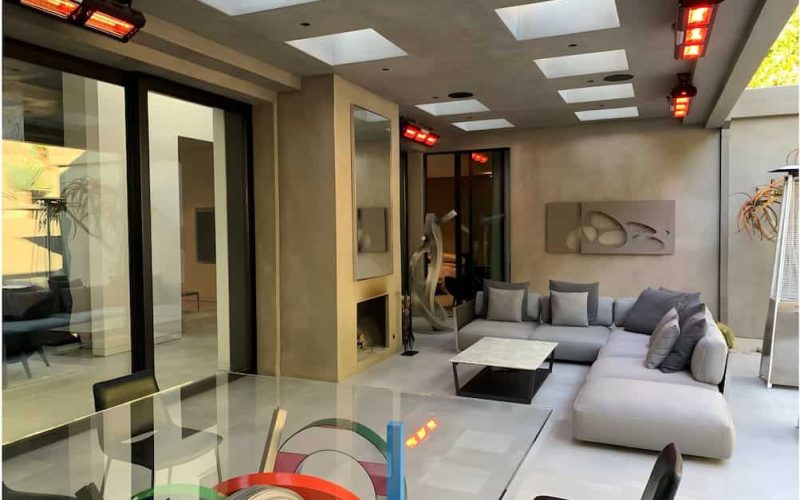
Heaters by Installation Type
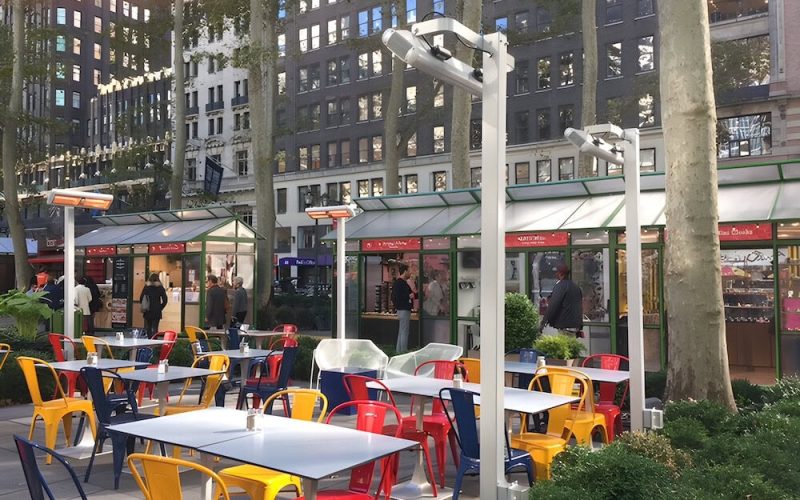
What We Offer
Professional Installation Support Included
Every outdoor heater in our collection meets commercial durability standards while delivering the precise heat output needed for your specific application. From intimate residential patios to large-scale restaurant installations, these heating systems provide consistent, efficient warmth that keeps your outdoor spaces comfortable year-round.
Direct Pricing - No Middleman Markup
As authorized dealers, we offer competitive pricing on all outdoor heating equipment. Our heating consultants provide technical specifications, installation guidance, and ongoing support to ensure your system performs exactly as designed.
Natural Gas and Electric Models In Stock
Choose from high-output natural gas heaters for maximum heating capacity or efficient electric models for simplified installation. All units feature commercial-grade components and manufacturer warranties.
Commercial-Grade Performance for Every Installation
Our heating specialists have pre-selected each model based on proven field performance, energy efficiency, and long-term reliability. Whether you need ceiling-mounted units for permanent installations, wall-mounted heaters for covered areas, free-standing models for flexibility, or pole-mount systems for open venues, every heater delivers professional results.
Frequently Asked Questions
1. What are the different types of outdoor heaters?
By fuel source: Electric infrared/radiant (popular with brands like Infratech, Solaira, and Aura), natural gas (commonly used in Bromic and Sunpak systems), or propane (including portable options from Sunglo and others).
By installation style: Wall or ceiling-mounted, freestanding, recessed/flush-mounted, or hanging fixtures.
By application: From residential patios and decks to commercial restaurants, resorts, and event spaces. The “best type” depends on your space, aesthetics, and whether the setup is temporary or permanent.
A heating design consultant can recommend the right mix for comfort, efficiency, and style, drawing on trusted brands like Bromic, Solaira, Sunglo, Infratech, Aura, and Sunpak.
2. What type of patio heater is most efficient?
Electric infrared (radiant) heaters are generally the most efficient. Nearly all of the electricity they use is converted directly into radiant heat, warming people and surfaces instead of trying to heat the air. Brands like Infratech, Solaira, and Aura are well known for their high-efficiency electric models.
For larger patios or commercial venues, natural gas infrared heaters (such as those from Bromic and Sunpak) can also be very cost-efficient, especially when connected to a permanent gas line.
Propane heaters are convenient and portable, but they typically cost more to operate per hour compared to electric or natural gas options.
Ultimately, the “most efficient” heater depends on your fuel availability, space size, and how often the heaters will run.
3. What's the difference between propane, natural gas, and electric outdoor heaters?
The main differences come down to fuel source, installation, and operating cost:
Propane heaters – Portable and easy to set up, often seen as freestanding “mushroom” or tower-style units. Great for flexibility, but usually the most expensive to operate long-term. (Common in Sunglo and Bromic portable models.)
Natural gas heaters – Permanently connected to a building’s gas line, making them ideal for restaurants, hotels, and large patios. They deliver consistent heat with lower operating costs than propane. (Brands like Bromic and Sunpak offer premium natural gas systems.)
Electric infrared (radiant) heaters – Highly efficient and clean, converting nearly all electricity into radiant heat. They can be wall, ceiling, or recessed mounted, and are popular in both residential and commercial settings. (Infratech, Solaira, and Aura are leaders in this category.)
Quick summary: Propane = portable, Natural Gas = permanent + cost-efficient, Electric = clean + efficient with design flexibility.
4. Is a patio heater worth it?
Yes – for most homes and businesses, a patio heater is worth the investment. The value comes in two main ways:
Comfort and usability – Patio heaters extend the outdoor season, making patios, decks, and dining areas comfortable well into cooler months. This means more time at home outdoors, or more seats filled at a restaurant.
Return on investment – In commercial settings, added comfort can translate directly into higher revenue by keeping outdoor spaces profitable year-round.
High-quality systems are designed for efficiency, durability, and aesthetics, so they’re not just functional but also enhance the overall ambiance.
In short, a patio heater can turn an underused outdoor space into one of the most valuable areas of a home or business.
5. Can outdoor heaters be used under a covered patio or awning?
Yes. Many outdoor heaters are designed to be used under covered patios or awnings, but safety clearances and ventilation requirements must always be followed.
Electric infrared heaters (such as those from Infratech, Solaira, and Aura) are the safest choice for covered spaces because they don’t produce combustion gases. They can often be recessed into ceilings or mounted flush for a seamless look.
Gas heaters (like Bromic, Sunpak, and Sunglo) can also be installed under cover, but they require strict clearance distances from combustible materials and adequate airflow to ensure safe operation.
Each manufacturer provides specific installation guidelines on minimum clearances, mounting height, and ventilation. Following these ensures both safety and performance.
In summary, covered patios and awnings can be heated beautifully, but the right type of heater and correct installation make all the difference.